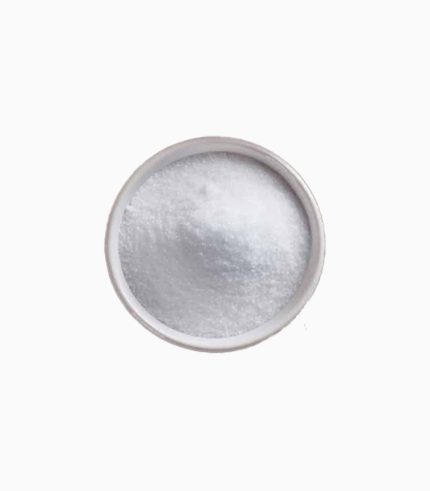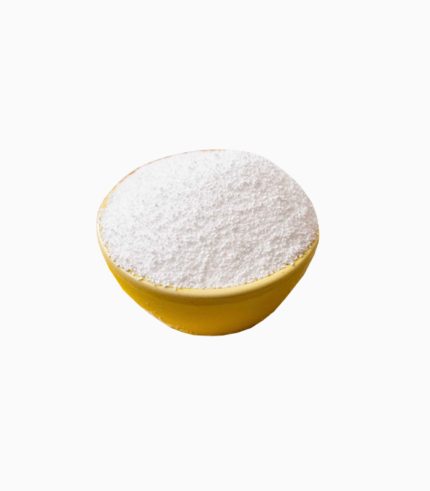
Sorbitol
Sorbitol as a white crystalline powder, odorless, taste slightly sweet, slightly hygroscopic. Soluble in water, soluble in ethanol. 5.48% aqueous solution of isotonic solution. Injection system: colorless clear liquid. Sorbitol can be used as a sweetener for the diabetic. Also applies to the treatment of cerebral edema and glaucoma, heart and kidney function was normal for the edema oliguria.
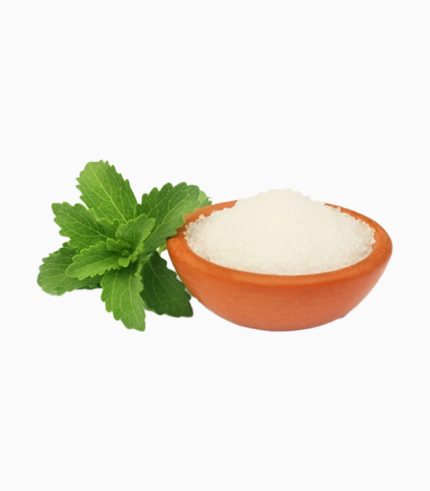
Stevia
Stevia known as sweet leaf, sweet leaf,sugarless, or simply stevia. It is widely grown for its sweet leaves. As a sweetener and sugar substitute, stevia's taste has a slower onset and longer duration than that of sugar. Stevia has garnered attention with the rise in demand for low-carbohydrate, low-sugar food alternatives.
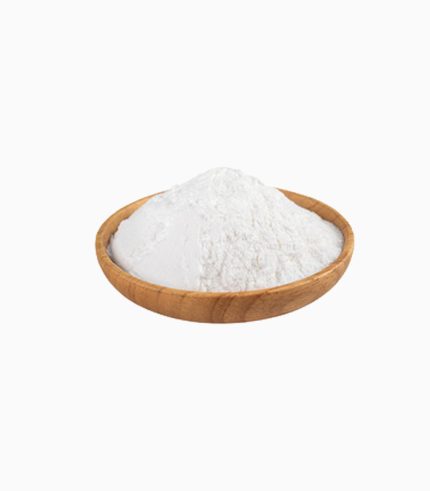
Sucralose
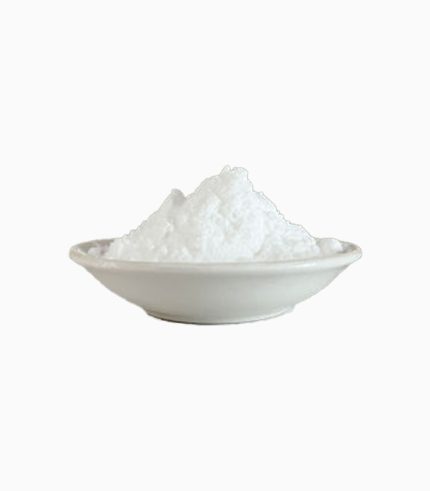
Trehalose Dihydrate
Trehalose Dihydrate, also known as mycose or tremalose, is a natural alpha-linked disaccharide formed by an α,α-1,1-glucoside bond between two α-glucose units.In 1832, H.A.L. Wiggers discovered trehalose in an ergot of rye, and in 1859 Marcellin Berthelot isolated it from trehala manna, a substance made by weevils, and named it trehalose. It can be synthesised by bacteria,fungi, plants, and invertebrate animals. It is implicated in anhydrobiosis the ability ofplants and animals to withstand prolonged periods of desiccation.