


Dextrose Anhydrous
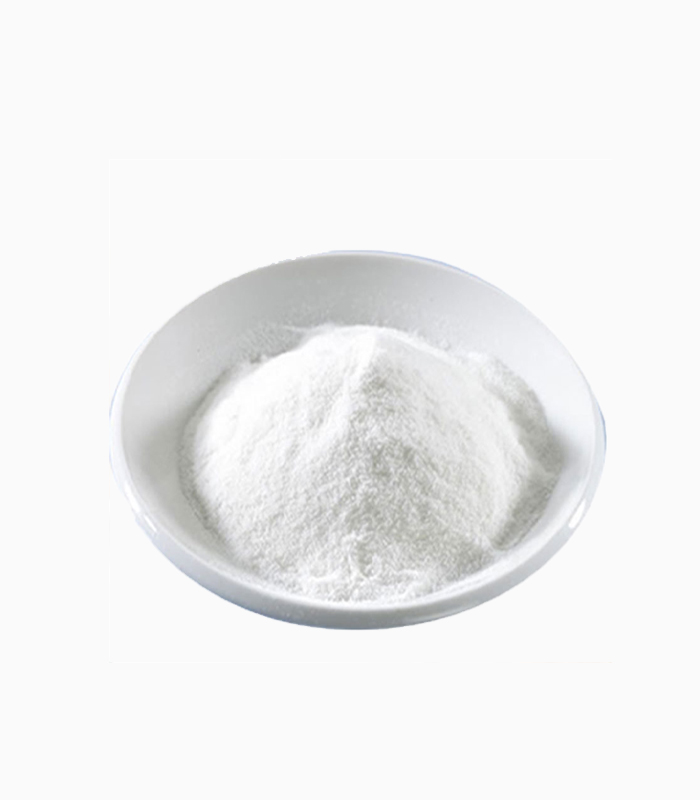
Dextrose Anhydrous are organic compounds that contain water of crystallization of glucose. As colorless crystals or white crystalline powder; odorless, sweet, water soluble, slightly soluble in ethanol. Dextrose Anhydrous sweeteners as food additives to our healthy lifestyle is a big convenience.
Related products
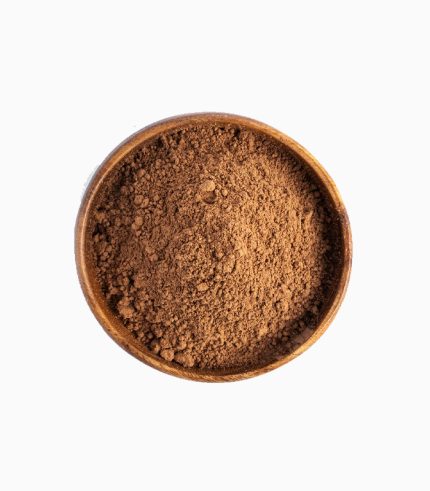
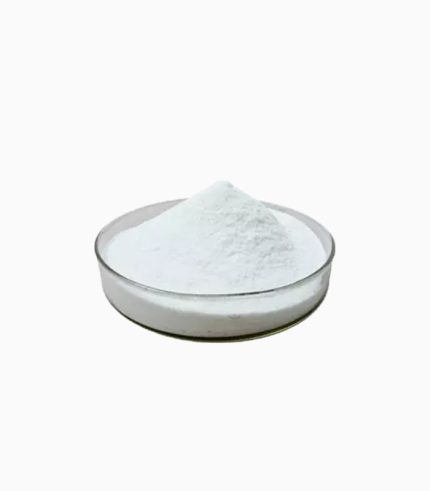
Isomaltitol
somaltitol as a white odorless crystalline, sweet, the sweetness of sucrose about 45% to 65%, slightly moisture absorption, melting range 145 ~ 150 ℃. Widely used in food, health care industry. Isomaltitol has a low moisture absorption, high stability, high tolerance, low-calorie, sweet and pure and so, for high blood pressure, high cholesterol, obesity and fear of fat people eat.
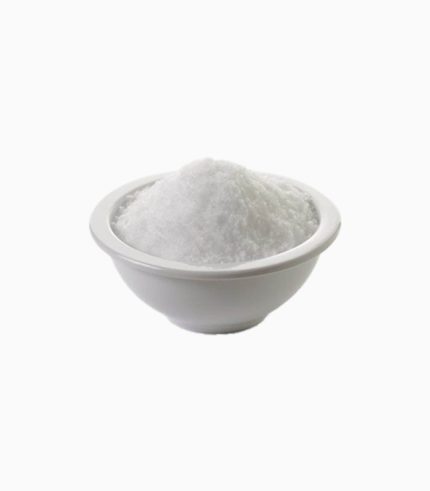
Isomaltulose
Isomaltulose, a natural and new functional oligosaccharide, which is distilled from sugarcane and honey. It is white crystal powder, odorless with good sweet taste. No dental caries, slower rate of hydrolysis than sucrose’s and also can be capable of application in the clinical of parenteral diabetes or other diseases as an energy source. Besides, isomaltulose is a good substitute for special populations which should be carefully chose the sweetener.
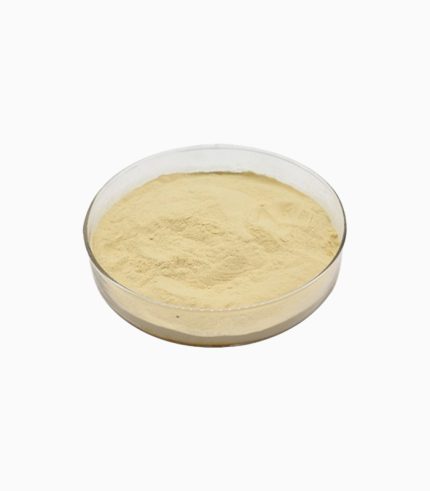
Luo Han Guo Extract
Luo Han Guo Extract as a light yellow powder, Mangosteen, smell, taste very sweet, soluble in water and ethanol. Contains large amounts of amino acids, fructose, vitamins and minerals. As a natural sweetener in place of common artificial sweeteners such as aspartame and other ideal substitute. Luo Han Guo Extract of the pharmacological effects: the treatment of colds and the lungs, expectorant, cough, sore throat, stomach discomfort, free radical scavenging and antioxidant activity, enhanced immunity, tumor suppressor.
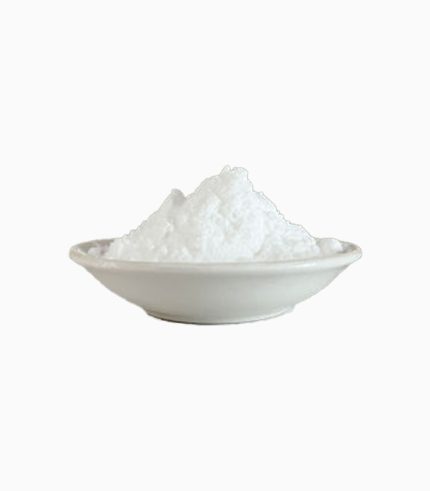
Trehalose Dihydrate
Trehalose Dihydrate, also known as mycose or tremalose, is a natural alpha-linked disaccharide formed by an α,α-1,1-glucoside bond between two α-glucose units.In 1832, H.A.L. Wiggers discovered trehalose in an ergot of rye, and in 1859 Marcellin Berthelot isolated it from trehala manna, a substance made by weevils, and named it trehalose. It can be synthesised by bacteria,fungi, plants, and invertebrate animals. It is implicated in anhydrobiosis the ability ofplants and animals to withstand prolonged periods of desiccation.


Reviews
There are no reviews yet.